

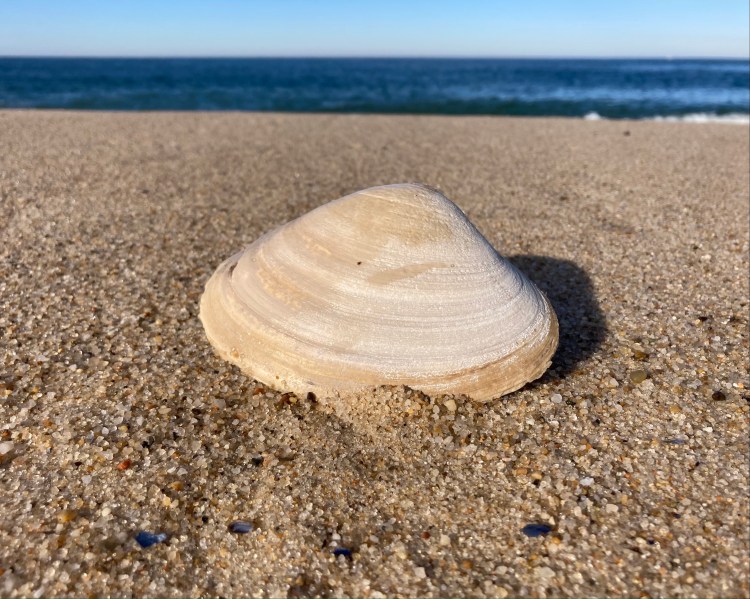

Marine species provide a wide range of ecosystem services that benefit humans and play important roles in ecological systems. Some species, such as mussels, clams, and scallops, are also an economically important food source. Understanding how changing environmental conditions (e.g. ocean warming and ocean acidification) affect the distribution and growth of organisms is necessary to effectively manage these natural resources.
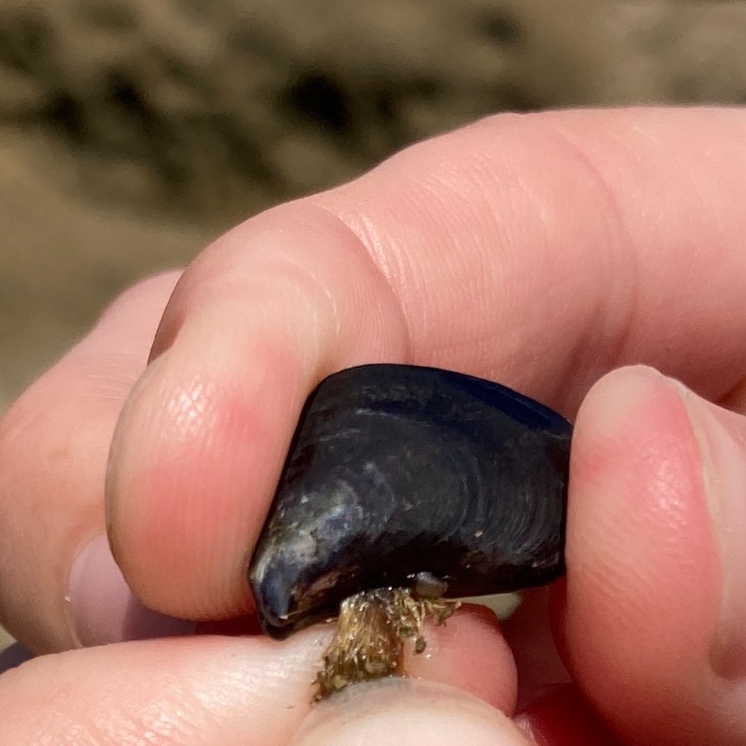
In coastal environments, multiple factors, including seawater temperature and chemistry, fluctuate across a range of scales from minutes, days, and decades. My work focuses on studying physiological responses to environmental conditions in both lab and field contexts. I anchor this work in three strategies: 1- monitoring environmental stressors and food availability in marine environments, 2- using laboratory experiments to build simulations of how organisms respond to their environments, and 3- testing these models in marine environments. This approach allows me to integrate studies across multiple levels of organization, from physiology to organism and populations.
EDUCATION
Ph.D. Biology, December 2019 – University of Washington, Seattle, WA. Dissertation: Resource allocation to growth and structure: The cost of mussel attachment in a dynamic coastal environment
M.S. Professional Masters in Marine Biology, January 2012. Northeastern University – Three Seas Program: Northeastern University Marine Science Center in Nahant, Massachusetts; the Smithsonian Tropical Research Institute at Bocas del Toro, Panama; and Friday Harbor Labs, Friday Harbor, Washington
B.A. Individual Major in Biophysics, May 2008 – Oberlin College, Oberlin, OH
PROFESSIONAL
Postdoctoral Associate, Stony Brook University June 2024 – Present
National Academy of Sciences NRC Postdoctoral Fellow & A.I.S. Inc. Contractor, Visiting scientist at NOAA’s Northeast Fisheries Science Center, Milford, CT, 2021 – 2024
Postdoctoral Fellow and Visiting Assistant Professor, Claremont McKenna College, 2019 – 2021
 Molly Roberts